
Best Time to Visit Joshua Tree: Weather & Activities
Joshua Tree isn't just about stunning rock formations and wide-open desert skies. It's also a place where timing is everything. The difference between an epic adventure and a sweltering struggle often comes down to picking the right month to visit. Whether you're planning to scale granite boulders, chase wildflower blooms, or simply lose yourself under the Milky Way, understanding when to go can transform your entire experience.
The challenge? Joshua Tree is a park of extremes. What works perfectly for one visitor might be unbearable for another. Temperature swings of 30 degrees in a single day are normal, and summer highs regularly top 100°F while winter nights can dip below freezing. But here's the good news: once you know what you're after, choosing the best time to visit Joshua Tree becomes surprisingly straightforward.
Spring: Peak Season for Good Reason
March through May
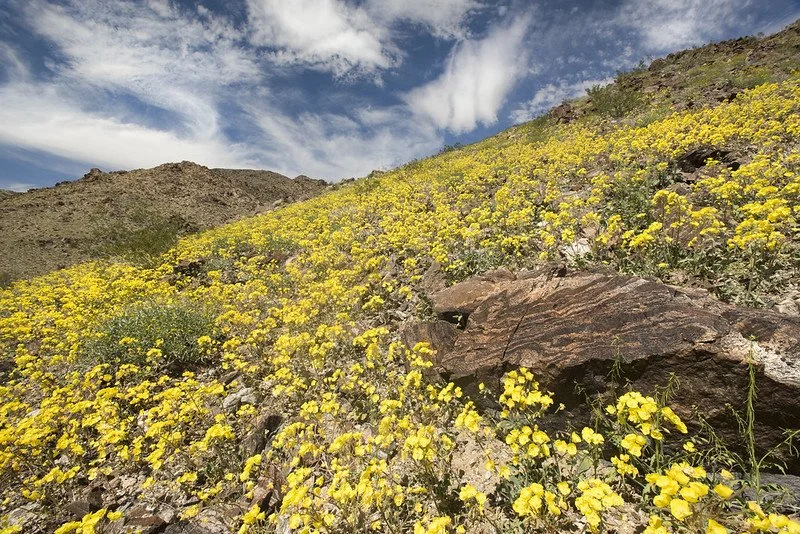
Spring is when Joshua Tree truly comes alive. Daytime temperatures hover in that sweet spot between 70°F and 85°F, making it comfortable for just about any outdoor activity you can imagine. But the real star of the show? The wildflowers.
In years with sufficient winter rainfall, the desert erupts in color. Vibrant purple verbena, golden brittlebush, and delicate desert dandelions carpet the landscape, transforming the normally muted desert into a photographer's paradise. Some years even bring the legendary superbloom, when millions of flowers blanket the valley floors in a spectacle that draws visitors from around the world.
What Makes Spring Special:
Perfect temperatures: 70°F to 85°F during the day
Wildflower blooms (and occasional superblooms)
Ideal for hiking trails like Barker Dam and Hidden Valley
Great for families with kids
The Catch:
Busiest season with large crowds
Campgrounds fill up quickly
Weekend parking lots overflow
Pro tip: Visit mid-week and arrive early
Fall: When Climbers Take Over
October and November
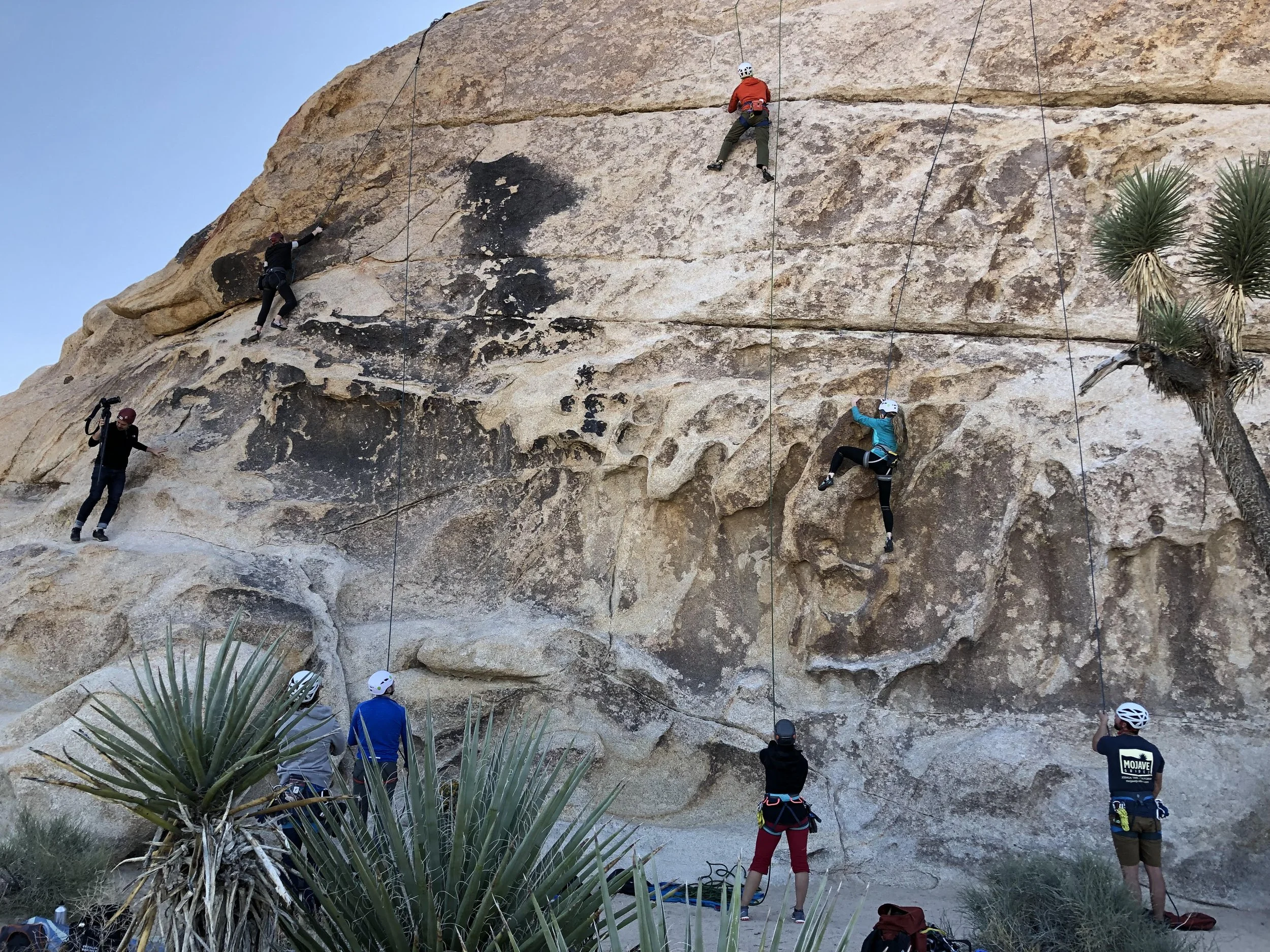
Ask any serious rock climber about the best time of year to visit Joshua Tree, and they'll tell you without hesitation: fall. After months of brutal summer heat, October brings a collective sigh of relief to the climbing community. Temperatures return to a comfortable 70°F to 80°F during the day, and the rock's friction coefficient improves dramatically in the cooler, drier air.
Why Climbers Love Fall:
Perfect climbing temperatures: 70°F to 80°F
Improved rock friction in cooler, drier air
Ideal for both beginner top-roping and multi-pitch trad climbs
Annual Night Sky Festival in October
Fall also brings the annual Night Sky Festival, a celebration of Joshua Tree's status as an International Dark Sky Park. The event features ranger-led astronomy programs, telescope viewings, and talks from expert astronomers. With comfortable evening temperatures and crystal-clear desert skies, it's an ideal time for visitors who want to experience both the park's terrestrial and celestial wonders.
Winter: Solitude and Stargazing
December through February
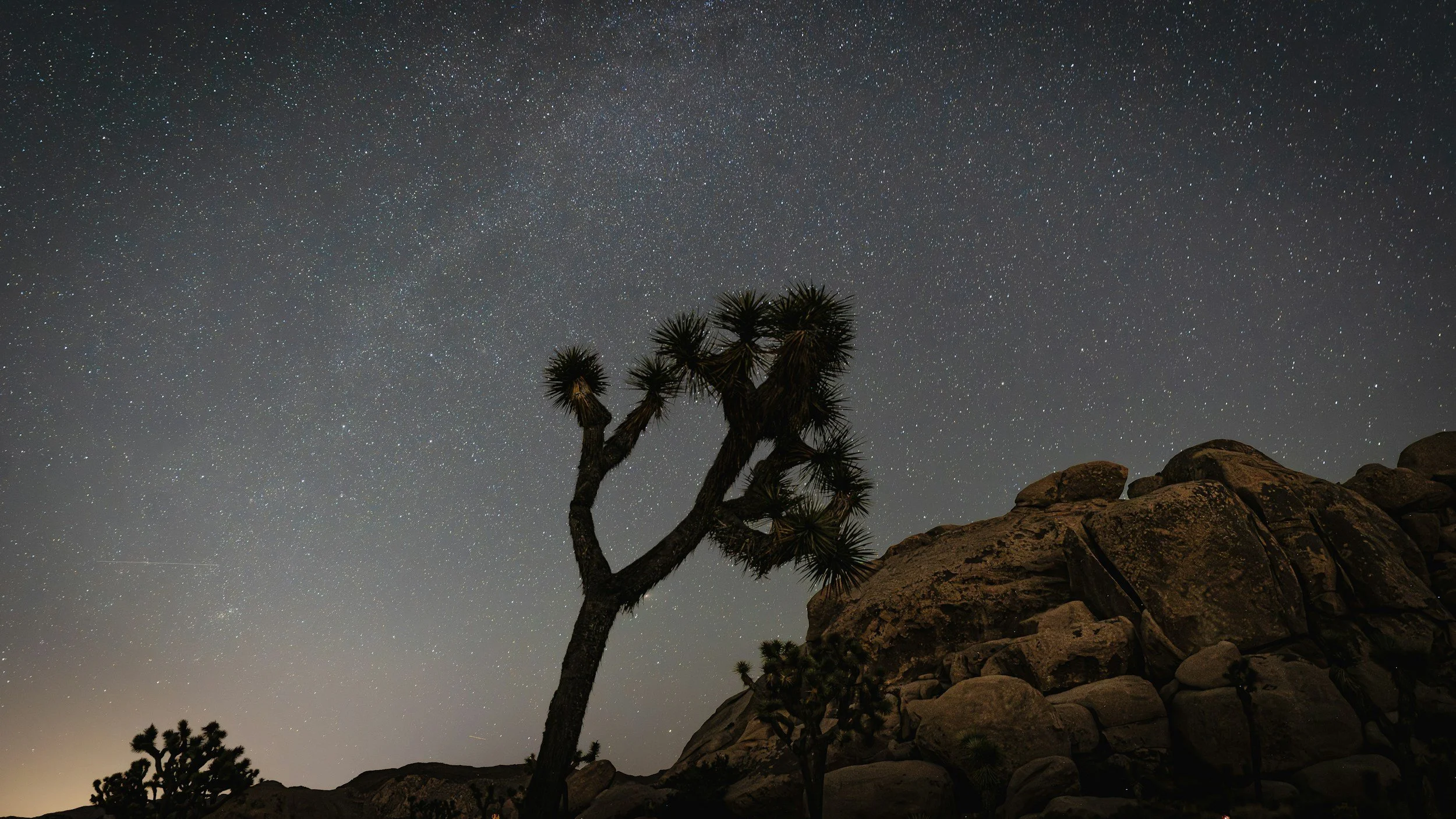
Winter transforms Joshua Tree into a different kind of sanctuary. The crowds thin out considerably, giving you a rare chance to experience the park's trails and viewpoints in peaceful solitude. Those iconic Joshua trees occasionally wear a dusting of snow, creating surreal photo opportunities that look nothing like the typical desert postcard.
Winter Highlights:
Fewer crowds and peaceful solitude
Crystal-clear skies for world-class stargazing
Pleasant daytime temperatures around 60°F
Excellent for vigorous hiking and bouldering
Occasional snow dusting on Joshua trees
What to Expect:
Freezing nights in the low 40s (sometimes 30s)
Cold rock that actually improves climbing grip
Longest nights of the year for extended stargazing
Best for afternoon climbing sessions after the rock warms up
Summer: For the Bold and the Nocturnal
June through September
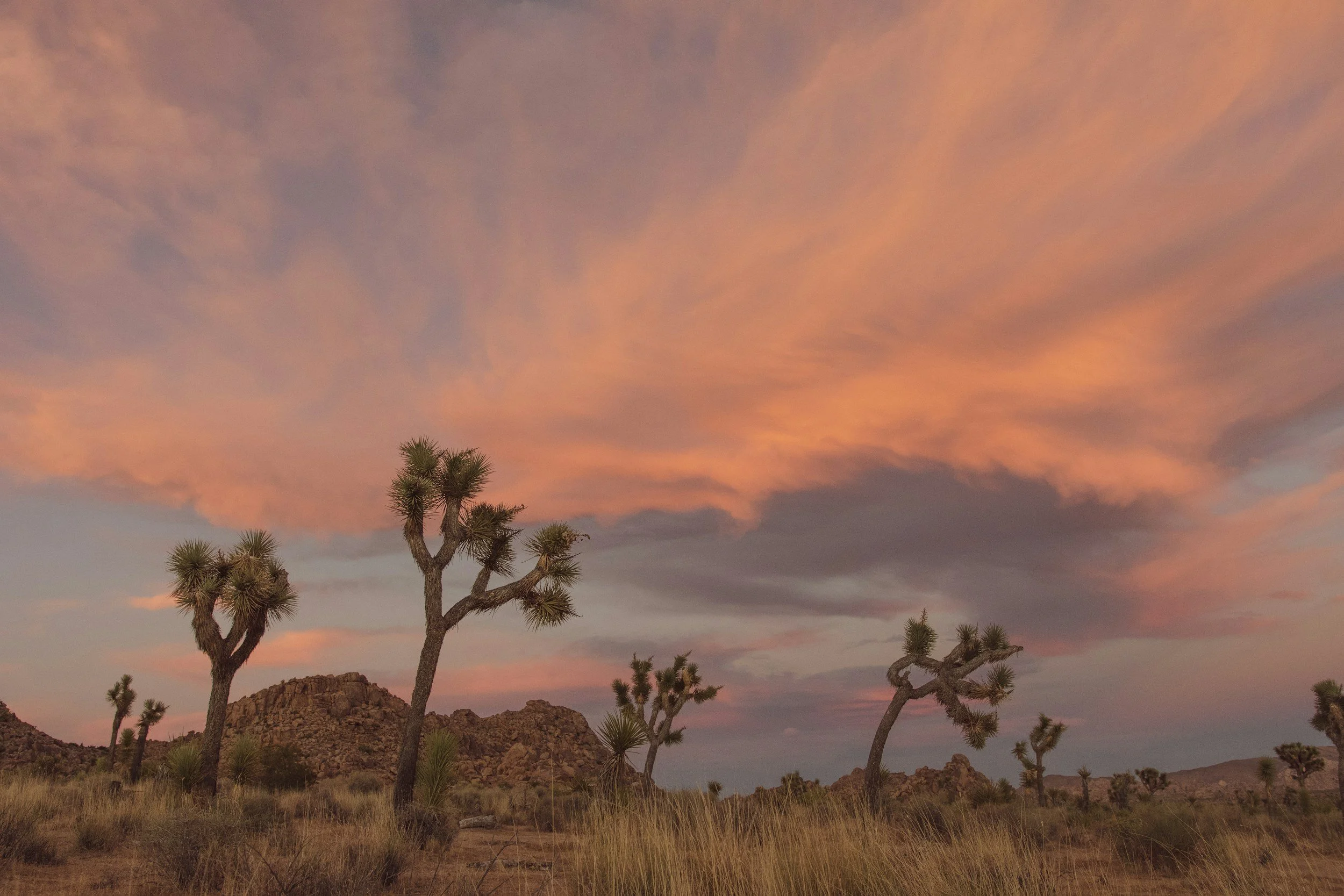
Let's be honest: summer in Joshua Tree is brutal. When you're checking Joshua Tree weather by month, those June through August numbers tell a stark story. Temperatures regularly exceed 100°F, and the sun beats down with an intensity that can quickly lead to heat exhaustion if you're not careful.
Why Visit Summer Despite the Heat:
True solitude with minimal crowds
Spectacular Milky Way views (galactic center overhead)
Some of the best stargazing in North America
Lower accommodation rates
Critical Summer Survival Rules:
Finish ALL outdoor activities by 10:00 AM — no exceptions
Carry at least one gallon of water per person
Focus on sunrise sessions only
Spend afternoons in air-conditioned comfort
Return for evening photography and night stargazing
The key to summer survival is simple: adjust your schedule. Spend your afternoons exploring the quirky art galleries in nearby Pioneertown or Yucca Valley, then head back out as the sun sets and temperatures finally become bearable for evening photography or all-night stargazing.
Joshua Tree Weather by Month: Your Quick Reference
Winter (January – February)
Average High: 62°F – 65°F
Average Low: 41°F – 44°F
Best Activities: Bouldering, photography, peaceful solitude
Spring (March – May)
Average High: 72°F – 89°F
Average Low: 48°F – 63°F
Best Activities: Wildflower viewing, guided day hikes, popular trail exploration
Summer (June – August)
Average High: 98°F – 103°F
Average Low: 70°F – 76°F
Best Activities: Stargazing, sunrise photography, early morning sessions only
Fall (September – November)
Average High: 69°F – 95°F
Average Low: 46°F – 68°F
Best Activities: Rock climbing, Night Sky Festival, comfortable all-day adventures
Matching Your Activity to the Perfect Season
Rock Climbing: October through April is your prime window. The cooler temperatures provide the friction you need on Joshua Tree's unique quartz monzonite rock surfaces. Winter works great for intense bouldering problems, while spring and fall are ideal for longer multi-pitch routes when you want to stay on the wall for hours.
Stargazing: Winter nights are longest, but summer (June to August) offers the best views of the Milky Way's galactic center. Plan your trip around new moon phases for the darkest skies, and consider attending the Night Sky Festival in October for a comfortable viewing experience with expert guidance.
Wildflower Photography: March through April is your best bet, though blooms depend heavily on winter rainfall. Check recent rainfall reports before booking if flowers are your primary goal.
Family Adventures: Spring and late fall provide the most comfortable conditions for kids. Temperatures are moderate, and you can explore throughout the day without worrying about extreme heat or cold.
Expert Tips for Any Season You Choose
Master the Art of Layering: That warm afternoon temperature can drop 30 degrees within an hour of sunset — year-round. You'll want moisture-wicking base layers, a breathable mid-layer, and a wind-resistant outer jacket. The desert doesn't hold heat the way humid climates do, so even summer evenings can feel surprisingly cool.
Hydration is Non-Negotiable: Carry at least one gallon of water per person per day, regardless of when you visit. The dry desert air pulls moisture from your body faster than you realize, even on mild days. Don't wait until you feel thirsty to drink.
Skip the West Entrance Bottleneck: During peak spring weekends, the West Entrance near Joshua Tree village can have wait times exceeding an hour. Use the North Entrance through Twentynine Palms or the South Entrance near Cottonwood Spring instead — you'll spend more time exploring and less time idling in traffic.
Check the Forecast, Then Prepare for the Opposite: Desert weather can be unpredictable. Even if the forecast shows sunshine, pack layers for cold. Even on "cool" days, bring sun protection and extra water. This isn't being paranoid — it's being desert-smart.
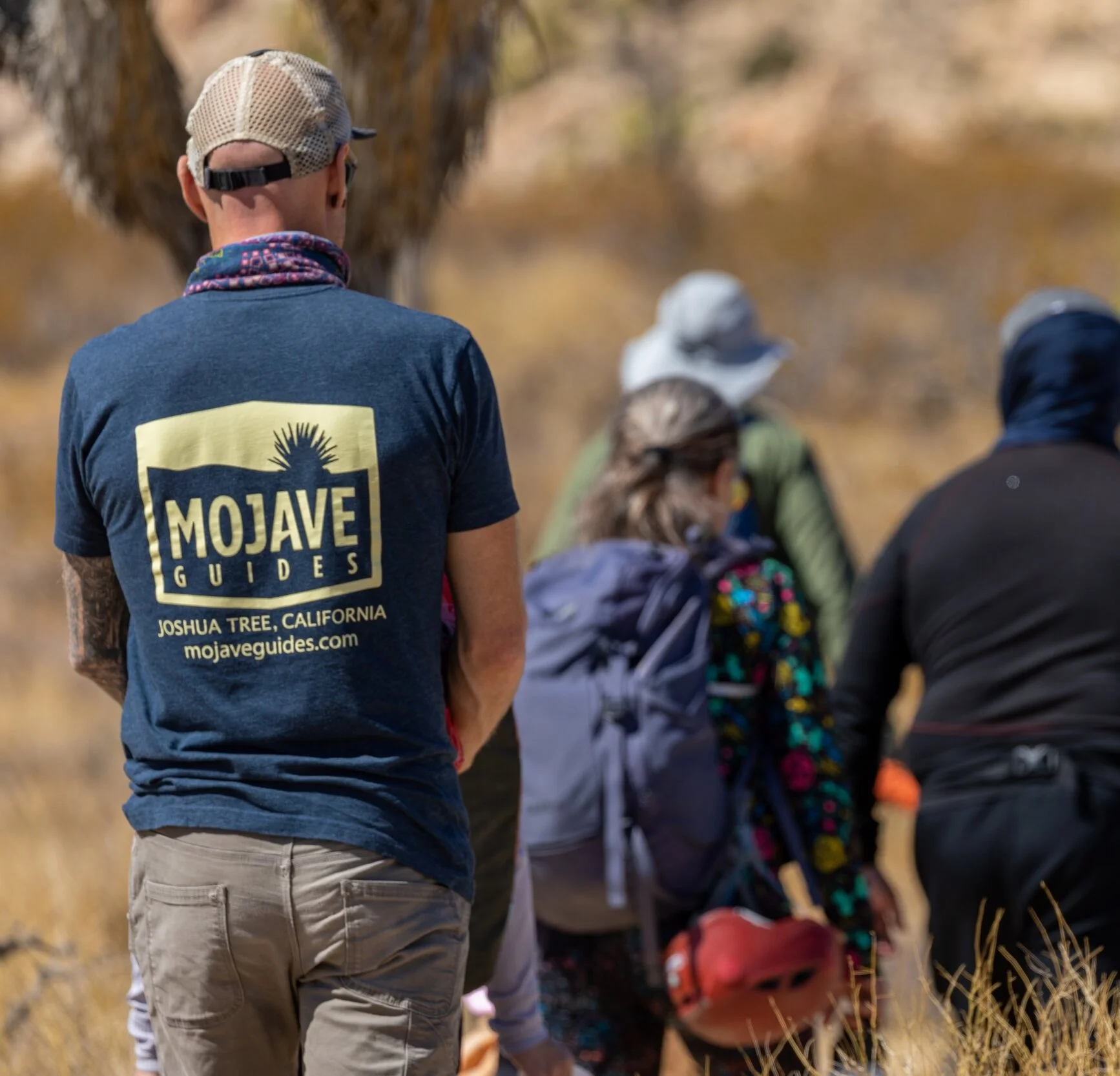
Experience Joshua Tree with Mojave Guides
No matter when you choose to visit, Joshua Tree has something magical to offer. The key is matching your activities to the season and preparing for the desert's mood swings. A spring wildflower hike requires different planning than a summer stargazing session, and winter bouldering demands gear you'd never need in October.
But here's the thing: local knowledge makes all the difference. Don't leave your trip to chance. Whether you're chasing the spring bloom or looking for the best winter climbing routes, join a guided experience with Mojave Guides for expert insights and a safe, unforgettable desert adventure. Our guides know the hidden spots where wildflowers bloom first, the perfect time of day to photograph specific formations, and exactly which trails to avoid when temperatures soar.
Frequently Asked Questions
-
The best time of year to visit Joshua Tree for rock climbing is between October and April. During these months, the high desert offers crisp air and mild temperatures that create optimal friction on the park's unique quartz monzonite rock. Winter can be chilly but is ideal for strenuous bouldering, whereas spring and fall are perfect for multi-pitch trad climbing when you want to stay on the wall for hours.
-
You can visit in the summer, but Joshua Tree weather by month shows that June through August frequently sees temperatures exceeding 100°F. For safety, all strenuous activities like hiking or climbing should be completed before 10:00 AM. Always carry at least one gallon of water per person and focus on sunrise sessions or stargazing after dark to avoid heat exhaustion. Many experienced desert visitors consider summer an excellent time for those who respect the heat and adjust their schedules accordingly.
-
Because desert temperatures can drop by 30 degrees immediately after sunset, layering is essential. We recommend moisture-wicking base layers, a breathable mid-layer, and a wind-resistant jacket. For footwear, sturdy closed-toe shoes with good grip are required for navigating the park's sticky but abrasive rock surfaces. Don't forget a wide-brimmed hat and UV-rated sunglasses, even in winter.
-
Joshua Tree is a certified International Dark Sky Park, making it one of the premier locations for stargazing in California. The best time to visit Joshua Tree for the Milky Way is during the new moon phases from June to August, when the galactic center is most visible. For a more comfortable experience, the annual Night Sky Festival in October offers cooler temperatures and expert-led astronomy programs. Bring a red flashlight to preserve your night vision, and give your eyes at least 20 minutes to adjust to the darkness.
-
Summer and winter see the fewest visitors. Winter (December through February) offers the best balance of solitude and comfortable conditions, with mild daytime temperatures and uncrowded trails. Summer brings near-total solitude but requires strict heat safety planning. If you want peaceful trails without extreme temperatures, weekday visits in late November or early December are an excellent option.
-
Yes, it can snow in Joshua Tree, though it's relatively rare and usually light. Snow is most likely between December and February, when temperatures can dip into the 30s overnight. When it does happen, the sight of snow-dusted Joshua trees against a crisp blue sky makes for some of the most dramatic photography in the park. Always check the National Park Service forecast before visiting in winter and pack layers accordingly.
