
Joshua Tree in Summer: What to Do, What to Avoid, and How to Stay Safe
Most people assume Joshua Tree National Park goes quiet in summer. Those people are wrong, and also probably sleeping through the best part.
Yes, summer in Joshua Tree is brutally hot. Daytime temperatures regularly top 105°F, and midday on the open desert floor is no place for the unprepared. But visitors who know how to work with the desert's rhythms rather than against them are rewarded with dramatic skies, empty trails, and some of the best stargazing on Earth. This is your guide to doing Joshua Tree in summer the right way.
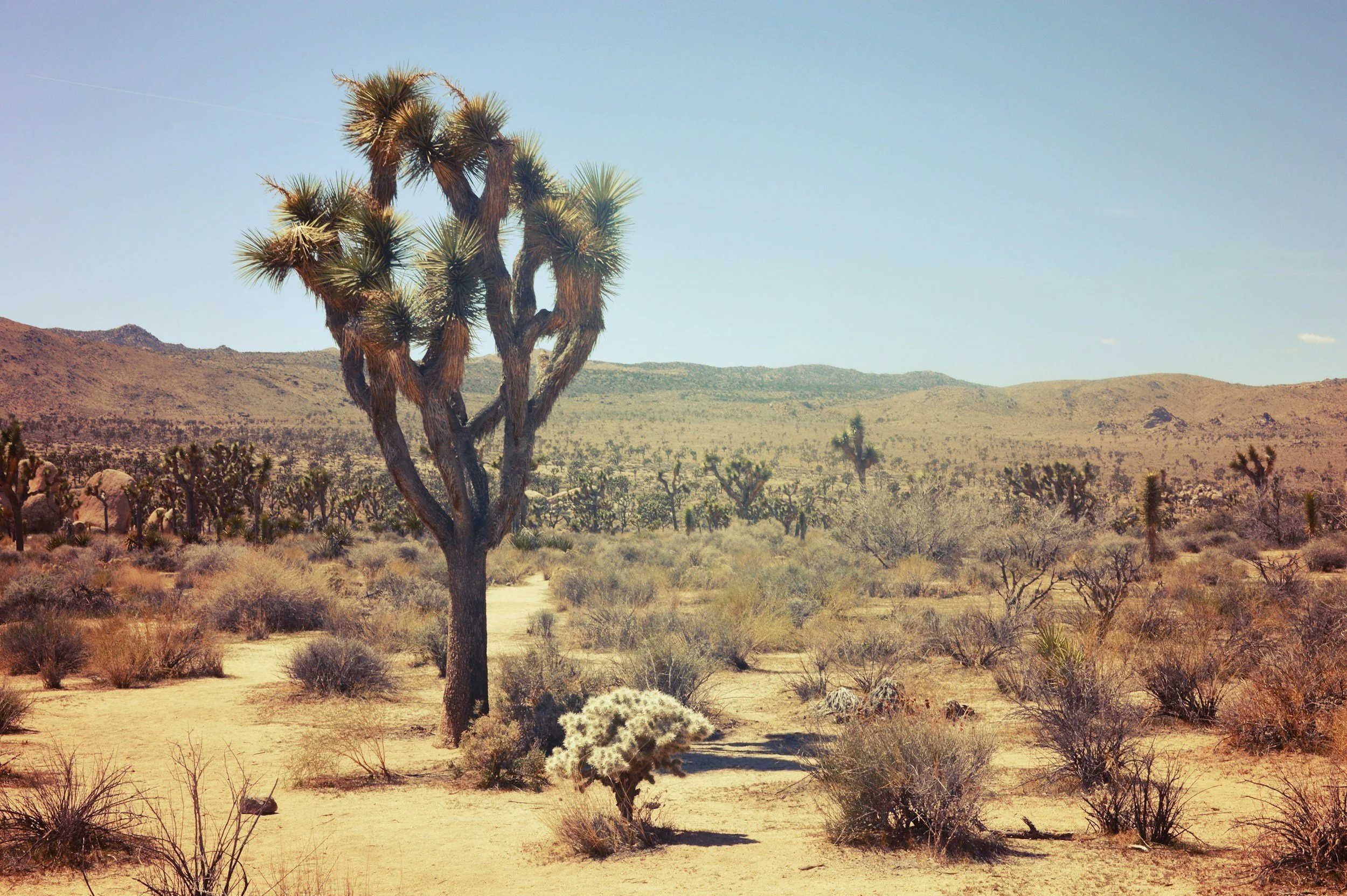
Beat the Heat: The Joshua Tree Summer Itinerary
Summer in the park is all about timing. Think of it like a split shift: early morning and after dark are your windows. Everything in between is best spent somewhere with AC.
A smart summer day looks like this:
5:30–6:00 AM — Hit the trail at first light while temps are still tolerable
By 9:00 AM — Be back at your car. Seriously. No exceptions.
9:00 AM–4:00 PM — Explore towns, grab food in Joshua Tree or Twentynine Palms, rest up
4:00–7:00 PM — Return for a sunset drive through the park; Keys View and the Cholla Cactus Garden are stunning in the golden hour
After dark — Stay for the stars
This rhythm lets you experience the park at its most spectacular without putting yourself at risk.
Joshua Tree Summer Safety: What You Need to Know
The desert is not trying to kill you, but it will if you let it. These aren't suggestions.
Carry one gallon of water per person, per day. More if you're exerting yourself.
Finish all hikes by 9:00 AM. Trails that feel pleasant at 7:00 AM become genuinely dangerous by 10:00 AM.
Never hike alone. Cell service is limited throughout the park.
Know the signs of heat exhaustion: heavy sweating, weakness, cold or pale skin, nausea, and a weak pulse. If you or anyone in your group experiences these symptoms, get to shade and cool water immediately.
Heat stroke is a medical emergency. Hot, dry skin, confusion, and a rapid pulse require a 911 call, not a rest break.
Leave a plan. Tell someone where you're going and when you expect to be back.
Check the forecast at the visitor center or NPS app before heading out. Monsoon season (July–September) can bring flash floods with little warning.
The park's visitor centers are air-conditioned and staffed with rangers who genuinely want to help you have a great trip. Stop in.
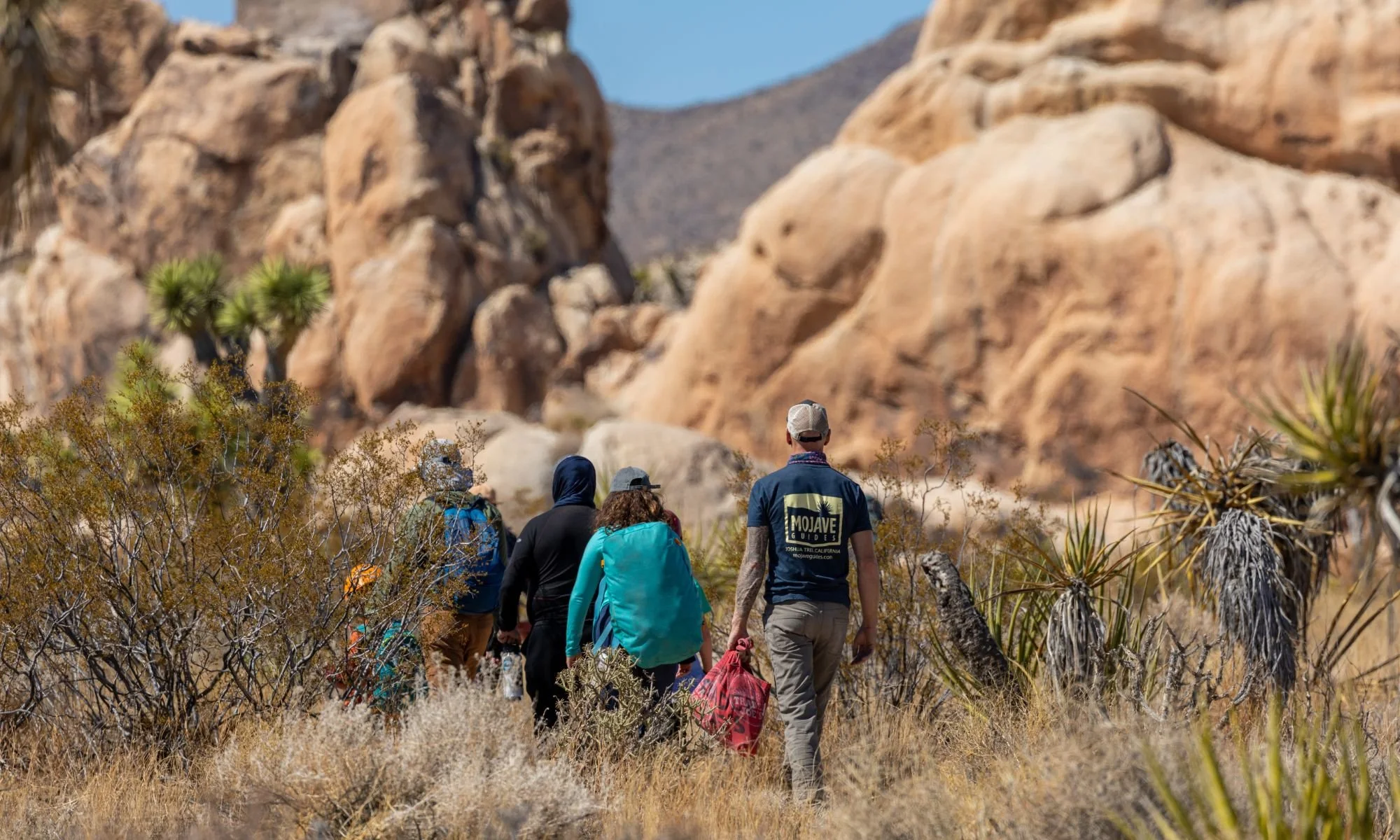
Best Short Hikes in Joshua Tree for Summer
Long trails like Ryan Mountain or Fortynine Palms Oasis are warm-weather no-gos. Stick to hikes under a mile and a half and be done before the sun gets serious.
Hidden Valley Nature Trail (1 mile loop) — Wander through a sheltered rock basin that feels almost otherworldly at sunrise. Iconic bouldering terrain, giant Joshua Trees, and near-constant shade from surrounding rock walls make this the best early-morning walk in the park.
Barker Dam Trail (1.4 miles) — A relatively flat loop with big payoff: a historic 1900s cattle dam, possible Big Horn Sheep sightings near the water, and some of the park's best petroglyph viewing. Start no later than 7:00 AM in summer.
Cholla Cactus Garden (0.25 miles) — Less of a hike, more of an experience. Walk the short boardwalk through one of the desert's strangest ecosystems. At sunset, the Cholla needles catch the light and glow like something out of a sci-fi film. Watch your step (and your ankles).
Cap Rock Nature Trail (0.4 miles) — A flat, easy loop around one of the park's most photographed rock formations. Do it at dawn for dramatic light and solitude.
All of these offer the iconic Joshua Tree photo ops without the exposure risk of longer routes.
Summer Nights: Stargazing in Joshua Tree
Once the sun goes down, the desert completely transforms. As a certified International Dark Sky Park, Joshua Tree offers some of the best Milky Way viewing in the country, and the Perseid Meteor Shower each mid-August makes summer nights genuinely special. Warm temperatures mean no bundling up. Just find a dark pullout, give your eyes 20 minutes to adjust, and look up.
For a full breakdown of the best stargazing timing, locations, and what to bring, check out our guide on the Best Time to Visit Joshua Tree.
Book a Guided Experience With Mojave Guides
Summer mornings before 9:00 AM are legitimately magical in Joshua Tree, and our guides know exactly where to be and when. Whether you want to start the day with a guided hike, try your hand at rock climbing in the cool of early morning, or explore the park's hidden slot canyons on a Canyon & Corridor Tour, we build every experience around the summer conditions rather than in spite of them.
Frequently Asked Questions: Joshua Tree in Summer
-
Absolutely, if you go in with the right plan. Early mornings and after dark are spectacular. The park is less crowded than spring, and summer offers unique experiences like Milky Way viewing and the Perseid Meteor Shower that simply aren't available other times of year.
-
Expect daytime highs between 100°F and 110°F (38–43°C), dropping to 70–80°F at night. Higher elevation areas like Keys View run slightly cooler. Mornings before 8:00 AM are typically in the 80s and very manageable.
-
It can be, provided you hike early, keep hikes short (under 1.5 miles), carry at least one gallon of water per person, and are off the trail by 9:00 AM. Long-distance summer hiking in Joshua Tree is genuinely dangerous and not recommended.
-
Hidden Valley Nature Trail, Barker Dam, Cap Rock, and the Cholla Cactus Garden boardwalk are all under 1.5 miles and very doable in the early morning hours.
-
The Milky Way Core is most visible from late June through August. For a full guide on timing and stargazing spots, see our best time to visit Joshua Tree post.
-
Water (at least one gallon per person), sunscreen, a wide-brim hat, lightweight long sleeves, closed-toe shoes, a red-light headlamp if stargazing, and snacks. A portable battery for your phone is strongly recommended given the limited cell service.
